August 2026 · AI
Will AI make my brand look generic?
Only if you hand it the steering wheel. AI is a fast pair of hands, and fast hands with nobody driving produce the same thing for everyone. Taste, positioning and the decisions that make a brand yours still come from a person.
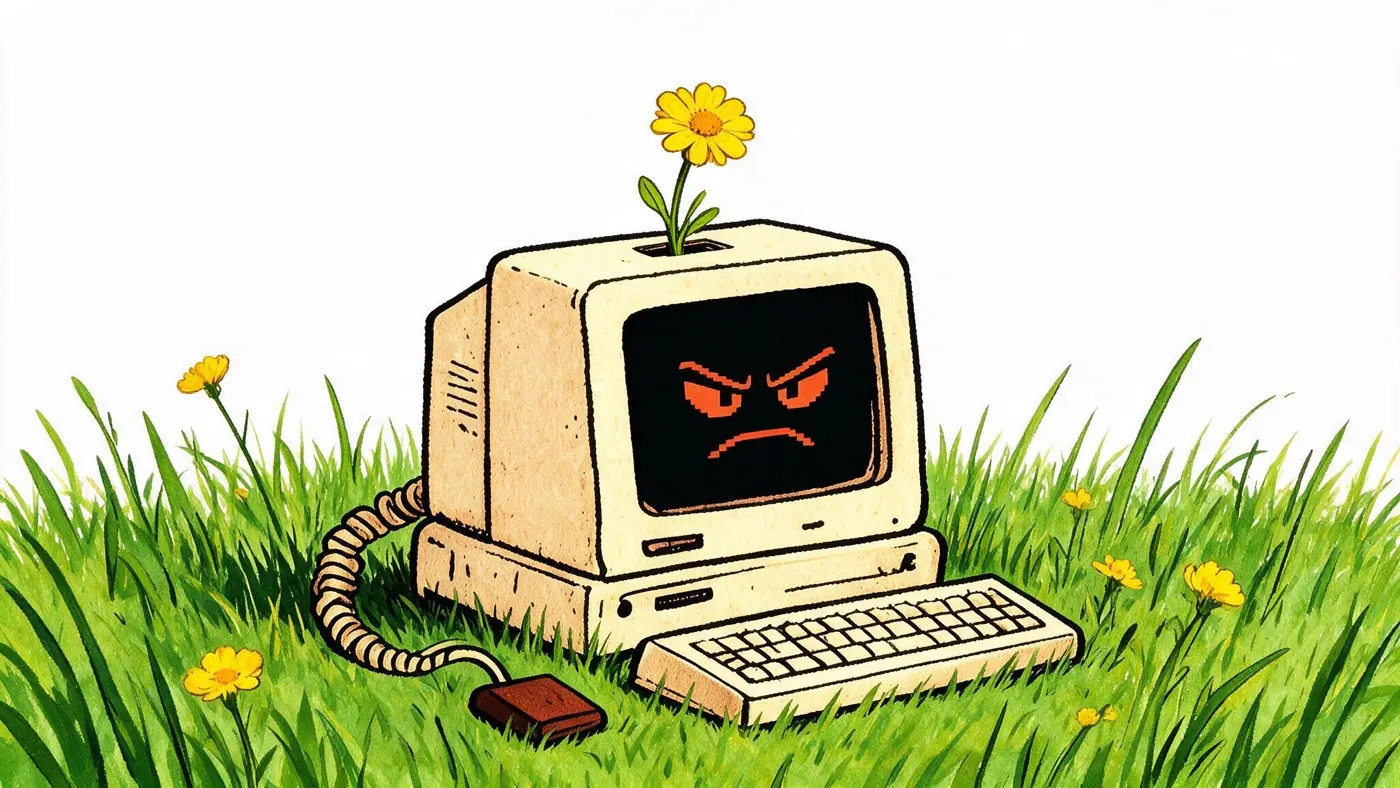
Why does AI-generated branding all look the same?
Because most people ask it the same question. Type "modern minimalist logo for a coffee shop" into any of these tools and you are asking for the average of every modern minimalist coffee logo it has ever seen. The average is exactly what you get, and the average is what your competitor got too.
There is a second reason, and it is the one that actually costs money. These models are agreeable. Ask for something and they produce it, immediately, at a quality that looks finished. Nothing in that loop tells you the idea was weak. A designer who thinks your concept is wrong says so on the call. A model builds it beautifully and lets you find out in six months.
What is AI actually good at in brand work?
The parts that are labour rather than judgement, which turn out to be most of the hours:
- Exploring a direction quickly. Forty variations of an idea in an afternoon, so the one that survives has actually beaten something.
- Production. Once the identity is decided, resizing, retouching and laying it out across every format it has to live in.
- Mockups. Seeing the logo on a sign, a cup and a phone before anything is printed.
- First drafts of copy, which are almost never the final copy but beat an empty page.
What all of those have in common: the decision has already been made. The tool is executing it, not choosing it.
What still needs a person?
Knowing what the business is actually selling, and to whom. A model can tell you that a restaurant brand should feel warm. It cannot tell you that this particular restaurant's whole advantage is that the owner's grandmother's recipes are on the menu, and that the identity should therefore feel handwritten rather than tasteful, because it has never spoken to the owner.
Then there is the harder one: knowing when to stop. Every one of these tools will happily give you a fifth logo direction, and a sixth. Deciding that the second one was right, and that the reason it feels less exciting is that you have now looked at it forty times, is judgement. Nothing in the software has an opinion about that.
How do you keep a brand distinctive when everyone has the same tools?
By putting things into the brief that the tools cannot invent. Specifics are the whole defence. A brand built from "friendly, modern, approachable" will look like every other brand built from those words, because those words describe nothing. A brand built from the actual facts of the business, who runs it, what it refuses to do, what its customers say when they recommend it, comes out looking like that business and nothing else.
This is the same reason a template site and a designed site can use identical typefaces and still not read the same. The difference was never the parts.
How I use AI without losing the brand
I do the deciding and the tools do the volume. Positioning, the concept and the call on which direction is right happen before anything is generated. After that I lean on AI hard, which is how a full identity comes in as a five-to-seven-day add-on rather than the several thousand and several weeks the same work used to take. It is the same arithmetic behind what a contractor website costs.
The part people find surprising is that using these tools well is itself a skill worth hiring for. Knowing which one to reach for, how to brief it, and when its confident output is quietly wrong is most of the job now. I do this on brand work here and I build AI tooling in my day job, which is the same skill pointed at two things. It is also what Spark is: teaching an assistant your brand so that everything it makes for you afterwards already sounds like you.
So do I still need a designer?
You need someone to make the decisions. Whether that person then uses AI to execute them is a question about their toolkit, not about whether you needed them. A designer who refuses these tools will charge you for hours that no longer need to be spent. Someone who uses them without judgement will hand you the average of the internet, on time and under budget.
The thing worth paying for sits in the middle, and it always did.
If you want a brand that looks like your business rather than the average of its category, tell me what the business actually is and I will tell you what it needs.